
Insights & News
The latest insights and perspectives from our team
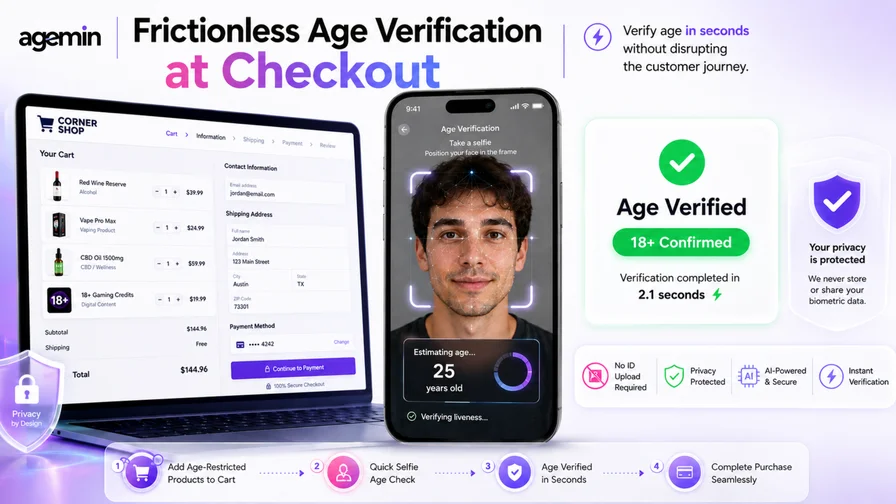
Ecommerce Age Verification: Sell Age-Restricted Products Without Losing Sales
Learn how modern ecommerce age verification helps businesses comply with regulations, reduce cart abandonment, protect privacy, and sell age-restricted products without losing conversions.
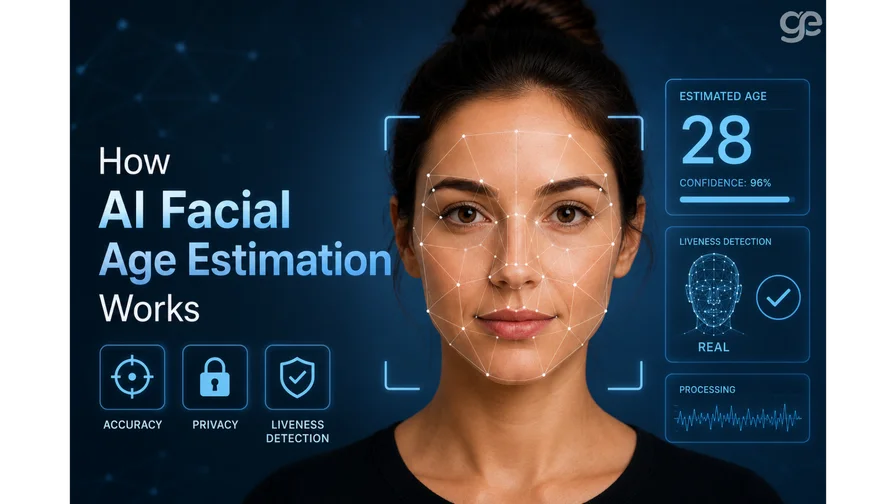
AI Facial Age Estimation: Accuracy, Privacy & Liveness Detection
Learn how AI facial age estimation works, how liveness detection prevents spoofing, and why privacy-first age verification is shaping online compliance.

The Ultimate Guide to Age Verification for E-commerce Compliance
Learn how to implement compliant age verification for e-commerce stores selling restricted products. Reduce risk, stay compliant, and protect conversions with privacy-first solutions like Agemin.

Facial Age Estimation vs ID Checks: The 2026 Shift
Discover how facial age estimation is transforming age verification in 2026—faster onboarding, better compliance, and seamless experiences for online platforms.
GDPR & Age Verification: Privacy-Preserving Compliance
Learn how platforms can implement GDPR-compliant age verification using privacy-preserving technologies like AI age estimation and anonymous proof-of-age.
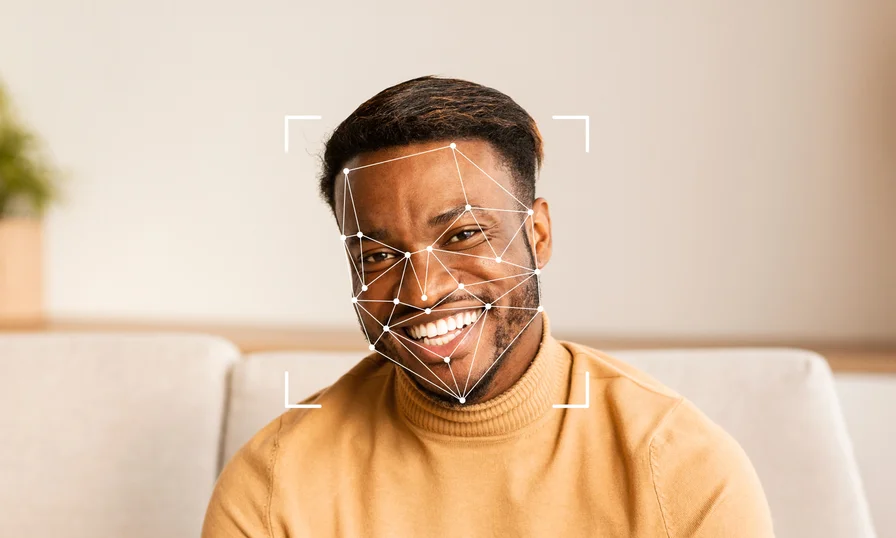
Liveness Detection in Age Verification: Preventing Spoofing Attacks
Learn how liveness detection prevents photos, deepfakes, and replay attacks from bypassing age verification systems and protects platforms from fraud.

Mandatory Age Verification for Adult Websites
Learn how new global regulations require adult websites to implement age verification. Discover compliance risks, privacy challenges, and modern verification solutions.

Age Verification Without ID or Credit Card
Learn how to verify user age online without ID or credit cards using AI age estimation. Discover privacy-first age verification for modern platforms.

Protecting Minors on Social Media: Age Verification in 2026
Why age verification is critical for protecting minors on social media in 2026. Explore global laws, risks, and privacy-first solutions like Agemin.

Age Verification for E-Commerce | Stay Compliant Without Losing Conversions
Learn how e-commerce businesses can implement compliant, privacy-first age verification without hurting conversions. Discover modern AI-powered age estimation for age-restricted sales.

Email Age Estimation for Businesses | Fast, Privacy-First
Learn about how to verify user age instantly using email only. Privacy-first age estimation for compliant, low-friction onboarding and safer digital platforms.

Frictionless Age Verification: Verify Age Without Losing Customers
Learn how frictionless age verification helps businesses stay compliant without hurting conversions, UX, or user trust using privacy-first approaches.